Corrugated Boxes
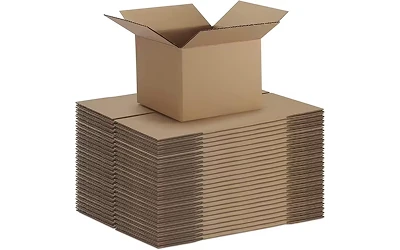
High-quality corrugated boxes designed to provide superior strength, durability, and protection for packaging, storage, and transportation.
Engineered for strength, durability, and cost efficiency across demanding packaging applications.
High-quality corrugated boxes designed to provide superior strength, durability, and protection for packaging, storage, and transportation.
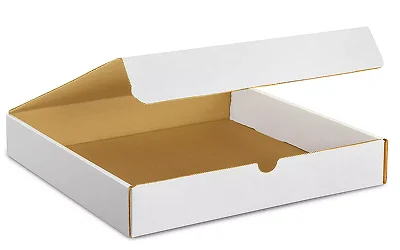
High-precision die-cut boxes engineered for specific product dimensions, secure packaging, and superior presentation.
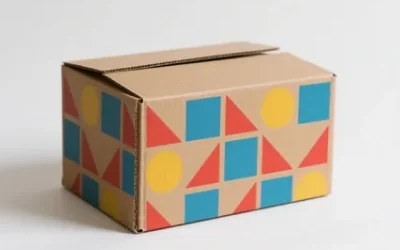
Printed cartons manufactured for clear graphics, strong shelf presence, and dependable product protection in transit.
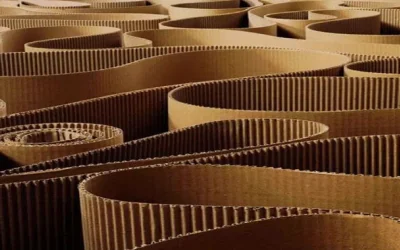
Flexible protective rolls used for wrapping, cushioning, and safeguarding products during transportation and storage.
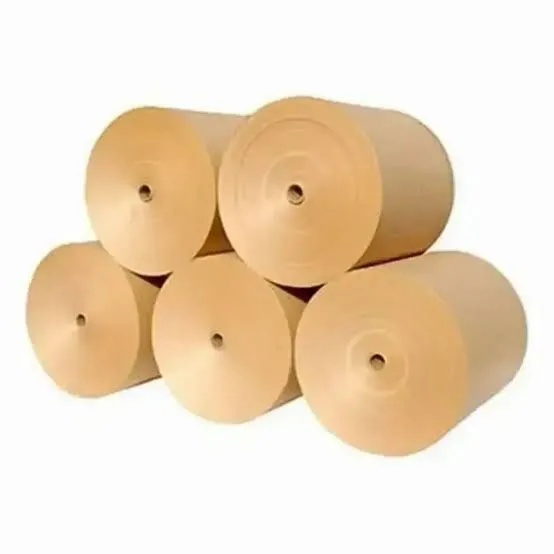
Protective kraft paper rolls used for wrapping, interleaving, cushioning, and general-purpose packaging support during storage and transit.
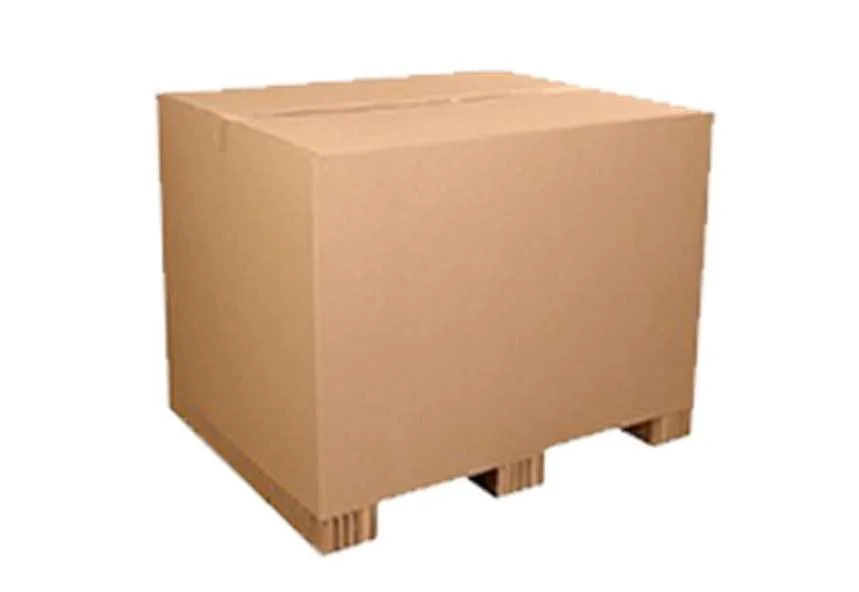
Tailor-made corrugated packaging developed to meet specific customer requirements for protection, handling, and space optimization.
The evolution of corrugated boxes is a story of innovation, practical engineering, and continuous improvement over time. From simple beginnings to becoming a global packaging standard, corrugated packaging has transformed modern logistics.
British inventors Edward Healey and Edward Allen patented corrugated paper, initially used as a lining for tall hats to provide stiffness and ventilation.
Albert L. Jones introduced corrugated paper for packaging, using it to wrap glass bottles and lantern chimneys to reduce breakage during transportation.
Oliver Long enhanced the design by adding liner sheets. At the same time, G. Smyth developed machinery that enabled commercial-scale production.
Robert Gair's production breakthrough enabled cutting and creasing paperboard at the same time, making flat-packed folding boxes possible at scale.
Corrugated boxes began replacing wooden crates due to lighter weight and stronger cost efficiency.
Kellogg adopted cardboard packaging for cereals, helping normalize corrugated packaging for direct consumer products.
Wartime demand accelerated the need for durable lightweight packaging, making corrugated boxes a global standard.
Advances in flexographic printing, water-resistant treatments, and recycling have expanded corrugated packaging into nearly every supply chain.
Today, corrugated boxes are one of the most widely used packaging solutions in the world, supporting essential movement and protection across: